-
Shop
- Advanced Technologies
- AI Career Advantage Collection
- AI Skills for Creators & Freelancers
- AI Client Management
- AI Ethics
- AI Mindset
- AI Tools & Prompts
- AI Writing & Content Creation
- Audio, Voice & Music
- Design & Visual Creation
- Email, Messaging & Communication
- Freelancing & Business
- Marketing, Ads & Conversion
- Productivity, Workflow & Automation
- SEO & Search Optimization
- Social Media Content & Growth
- Strategy, Planning & Analytics
- Video Creation & Editing
- AI Skills Mastery 2026 Collection
- Bags & Wallets
- Bathroom
- Best-Sellers
- Car Accessories
- Confidence
- Dating & Social Skills
- Digital Resources
- AI & Technology
- AI Skills
- Beauty
- Budgeting & Saving
- Car Buying & Ownership
- Cozy Feast Collection
- Electronics & Technology
- Emotional Intelligence
- Entrepreneurship & Business Growth
- Financial Education
- Financial Independence
- Financial Mindset & Psychology
- Goal Setting
- Hobbies
- Home Styling & Organization
- Kitchen & Recipes
- Leadership
- Mindfulness
- Mindset
- Motivation
- Online Business
- Parenting & Child Development
- Personal Style & Fashion
- Pet Lifestyle & Wellness
- Positive Thinking
- Productivity
- Self Confidence
- Sleep Improvement
- Smart Life with AI
- Stress Management & Relaxation
- Travel Planning
- Wellness
- Yoga & Fitness
- Yoga & Mind-Body Practices
- Education & Learning
- Family & Parenting
- Fashion Accessories
- Furniture
- Gadgets
- Health & Beauty
- Health & Wellness
- Home Decor
- Home Electronics
- Home Supplies
- Kids & Babies
- Kitchen
- Lighting
- Luxury Brands Collection
- Online Business for Beginners
- Patio, Lawn & Garden
- Personal Growth
- Pet Care
- Pet Supplies
- Pets
- Shoes
- Super Deals
- TikTok Growth & Monetization Mastery
- Travel
- Travel & Adventure
- Wealth
- Wealth Building
- Popular
- Best deals
Small Physical Habits for Mental Well-Being
25% off on product page · save $1.33
Small Physical Habits for Mental Well-Being

Start with a routine you can repeat
Physical habits can support mental well-being, but you do not need to change everything at once. Start with one action that fits beside something you already do. If you usually eat breakfast, for example, you might step outside afterward for a little daylight. If evenings are easier, you might begin winding down at roughly the same time a few nights a week.
Pick a version you can repeat on an ordinary day, not just your best day. Consistency matters more than getting every detail right. Once an action feels familiar, you can decide whether adding another would be helpful. A checklist can help you notice what works for you; it cannot treat a mental health condition.
Make the checklist fit your day
Movement can mean a short walk or gentle stretching. A sleep routine might be a few quiet minutes before bed, even when a fixed bedtime is not possible. For food and water, start with making time for a meal and a drink. If outdoor access, weather, or your schedule limits daylight breaks, leave that option for another day.
When you write something down, record the smaller version you completed rather than the larger version you intended. Your mobility, work, caregiving responsibilities, and energy all matter when you decide what is practical.
Check the listed dimensions for make the checklist fit your day against the available vehicle space before use.
Featured in this guide
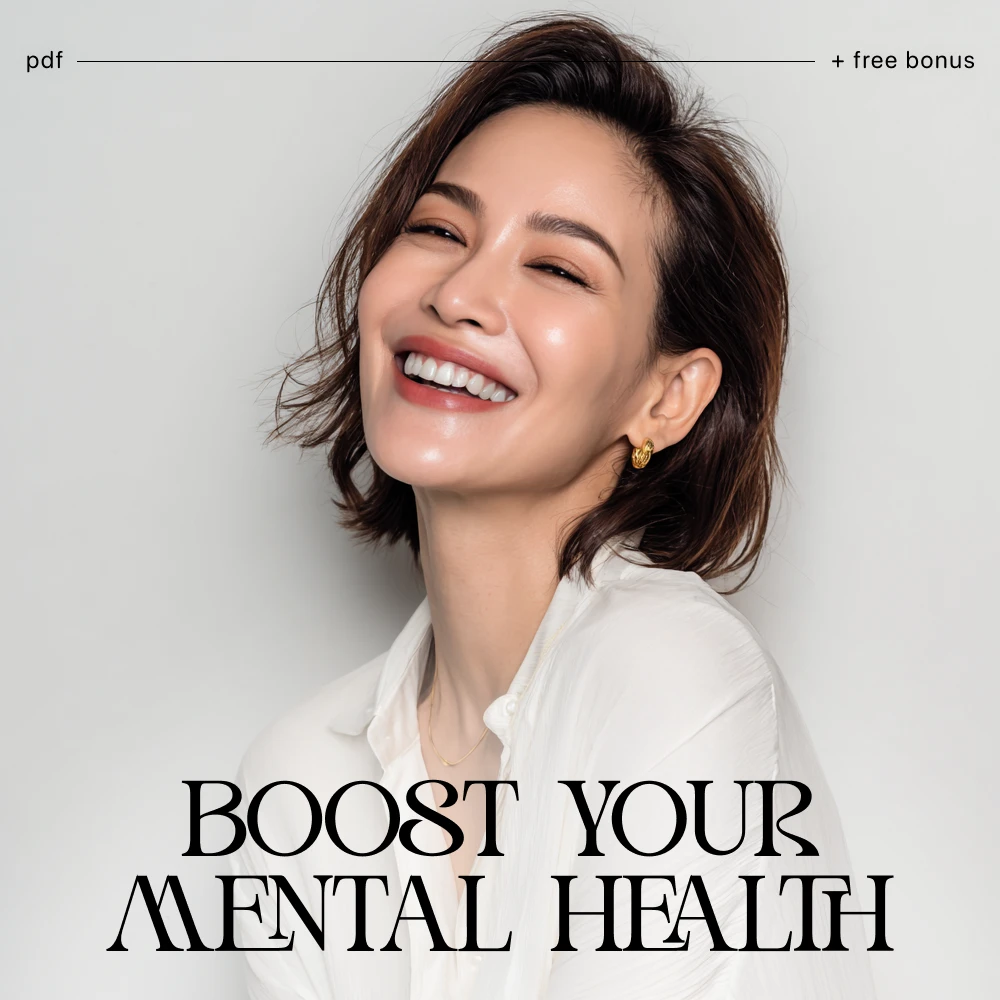
Boost Your Mental Health Through Physical Habits | Printable Daily Wellness Checklist & Self-Care Planner | Digital Guide on How to Improve Mental Health via Physical Habits
Decide whether a planner helps
Our printable daily wellness checklist and self-care planner may suit you if keeping a chosen habit visible makes it easier to return to. You could choose one manageable action in the morning, then make a brief note in the evening about what felt possible.
If tracking begins to feel like pressure, use fewer entries or take a break. You do not need to fill every space or make up for a missed day.
Keep care bigger than the checklist
Habits can complement mental health care; they cannot replace it. If symptoms persist, worsen, or interfere with daily life, speak with a qualified health professional. If you are exploring how stress and skin changes occur together, our Acne and Stress Timing guide focuses on noticing patterns, not treating mental health conditions.
Check the listed dimensions for keep care bigger than the checklist against the available vehicle space before use.
Know when habits are not enough
Lifestyle habits can complement professional mental health care, but they do not replace it. You can find general self-care guidance from the National Institute of Mental Health and information about activity from the Centers for Disease Control and Prevention.
If you are also trying to understand when stress and skin changes occur together, our Acne and Stress Timing guide focuses on noticing those patterns; it is not mental health treatment. For today, one manageable action is enough. Choose what fits your circumstances, and let that be a start.
Check the listed dimensions for know when habits are not enough against the available vehicle space before use.
Before choosing, compare the product details with your daily routine, available space, care needs, and preferred setup. The strongest option is usually the one that fits the intended use clearly and remains simple to clean, store, and check before repeat use.
It is also worth checking measurements, material notes, included parts, and compatibility details so the item matches the way it will be used after delivery.
Before choosing, compare the product details with your daily routine, available space, care needs, and preferred setup. The strongest option is usually the one that fits the intended use clearly and remains simple to clean, store, and check before repeat use.
FAQ
What are some examples of extreme mental disorders?
Severe symptoms can occur with several mental health conditions, including major depression, bipolar disorder, and schizophrenia. A qualified professional can assess symptoms and recommend appropriate care.
What lifestyle changes can help with depression?
Movement, sleep routines, and regular meals may support well-being, but they do not replace diagnosis or treatment. Speak with a health professional if you have symptoms of depression.
What are the best ways to improve my mental health?
Regular movement, adequate sleep, nourishing meals, social connection, and appropriate professional support can all matter. You can begin with one habit that feels manageable.
See if Boost Your Mental Health Through Physical Habits | Printable Daily Wellness Checklist & Self-Care Planner | Digital Guide on How to Improve Mental Health via Physical Habits fits your setup
Cesar Millan Lawsuits: Dog-Bite Claims Explained
Oct 1, 2026











Leave a comment