-
Shop
- Advanced Technologies
- AI Career Advantage Collection
- AI Skills for Creators & Freelancers
- AI Client Management
- AI Ethics
- AI Mindset
- AI Tools & Prompts
- AI Writing & Content Creation
- Audio, Voice & Music
- Design & Visual Creation
- Email, Messaging & Communication
- Freelancing & Business
- Marketing, Ads & Conversion
- Productivity, Workflow & Automation
- SEO & Search Optimization
- Social Media Content & Growth
- Strategy, Planning & Analytics
- Video Creation & Editing
- AI Skills Mastery 2026 Collection
- Bags & Wallets
- Bathroom
- Best-Sellers
- Car Accessories
- Confidence
- Dating & Social Skills
- Digital Resources
- AI & Technology
- AI Skills
- Beauty
- Budgeting & Saving
- Car Buying & Ownership
- Cozy Feast Collection
- Electronics & Technology
- Emotional Intelligence
- Entrepreneurship & Business Growth
- Financial Education
- Financial Independence
- Financial Mindset & Psychology
- Goal Setting
- Hobbies
- Home Styling & Organization
- Kitchen & Recipes
- Leadership
- Mindfulness
- Mindset
- Motivation
- Online Business
- Parenting & Child Development
- Personal Style & Fashion
- Pet Lifestyle & Wellness
- Positive Thinking
- Productivity
- Self Confidence
- Sleep Improvement
- Smart Life with AI
- Stress Management & Relaxation
- Travel Planning
- Wellness
- Yoga & Fitness
- Yoga & Mind-Body Practices
- Education & Learning
- Family & Parenting
- Fashion
- Fashion Accessories
- Furniture
- Gadgets
- Health & Beauty
- Health & Wellness
- Home & Garden
- Home Decor
- Home Electronics
- Home Supplies
- Kids & Babies
- Kitchen
- Kitchen Best-Sellers
- Lighting
- Luxury Brands Collection
- Online Business for Beginners
- Patio, Lawn & Garden
- Personal Growth
- Pet Care
- Pet Supplies
- Pets
- Shoes
- Sport & Outdoors
- Super Deals
- TikTok Growth & Monetization Mastery
- Travel
- Travel & Adventure
- Wealth
- Wealth Building
- Popular
- Best deals
Discipline Without Yelling: A Gentle Parenting Guide
Discipline Without Yelling: A Gentle Parenting Guide
Start with connection, then set the limit
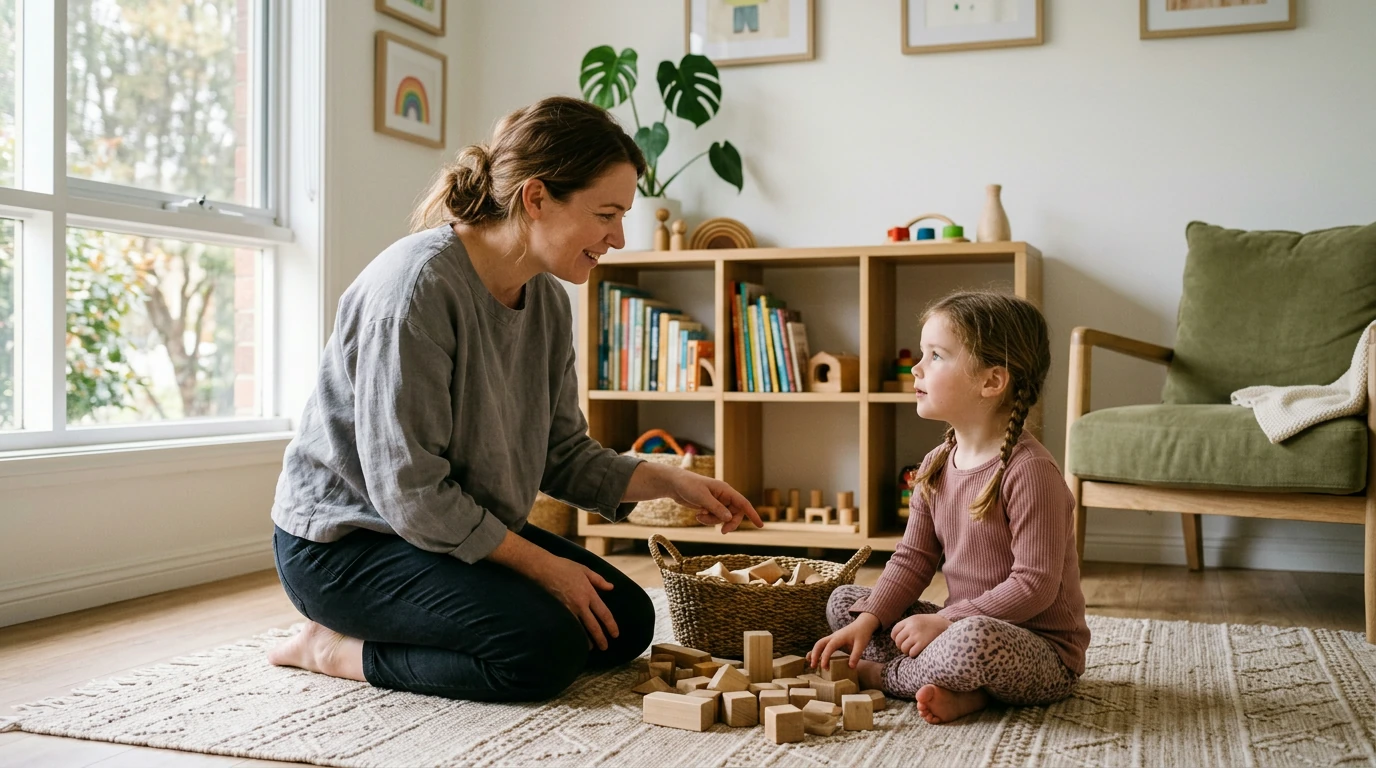
Gentle discipline doesn’t mean ignoring behavior or giving in to every request. It means treating your child respectfully while following through on reasonable limits. Connection helps you acknowledge what your child is experiencing; the boundary tells them what needs to happen next.
Imagine it’s time to put toys away, and your child refuses. You might say, “You’re having fun, and you don’t want to stop. It’s time to clean up now. Would you like to put away the blocks or the cars?”
Your child may still be disappointed. You don’t have to talk them out of that feeling or turn the request into a debate. Stay nearby, offer help as needed, and keep the expectation clear. For a younger child, cleaning up together may be more realistic than asking them to manage the whole task alone.
Consistency matters, but it doesn’t require a stern tone. You can be kind and firm at the same time.
A calmer response in everyday moments
When it’s safe to pause, take one breath before you speak. Notice whether your shoulders are tense or your voice is getting louder. A brief pause can give you room to choose a response instead of reacting on impulse.
Keep your words short, especially when your child is upset. Name the limit, then guide the next action. You might say, “I won’t let you hit. Move back with me,” or “The markers stay on paper. Let’s clean the table together.”
Safety comes first. If your child is about to run into a street or reach for something dangerous, act immediately to protect them. You can explain the limit once you’re both safe.
Featured in this guide
Calm & Connected: Discipline Without Yelling – Gentle Parenting Guide, Positive Discipline eBook for Calm Communication & Emotional Regulation
From a tense moment to a clear response
- A child throws a toy: “I can see you’re upset. Toys are not for throwing. Let’s put it down.”
- A child resists bedtime: “You wish you could keep playing. It’s time to get ready for bed. Choose one book.”
- You raise your voice: “I’m sorry I yelled. I’ll take a breath, and then we can try again.”
These phrases are starting points, not scripts you have to deliver perfectly. Adjust them to your child’s age and the situation.
Check the product’s listed specifications when evaluating from a tense moment to a clear response.
Build emotional regulation one moment at a time
Children learn about feelings partly by watching the adults around them. You can model a pause by saying, “I’m frustrated, so I’m going to take a breath before I answer.” Keep the pause brief and stay available to your child; it’s a way to reset, not a punishment.
Offer two options you can accept: “Do you want to carry your coat or wear it?” For a young child, simple choices are often easier to manage than an open-ended question.
Once everyone is calmer, revisit what happened. Ask an older child what might help next time, or practice a simple alternative with a younger one. If toys were thrown, you could practice putting the toy down and asking for help.
If you yell, calm yourself, apologize sincerely, and restate the boundary. Repair doesn’t promise that yelling will disappear overnight; it gives you a chance to take responsibility and reconnect.
Check the product’s listed specifications when evaluating build emotional regulation one moment at a time.
Explore Calm & Connected
If you’d like guidance to support your own practice, explore our Calm & Connected gentle parenting eBook .
Consider where you want the most support: finding words during conflict, keeping boundaries consistent, or returning to a conversation after a difficult moment. You can begin with one small response to practice rather than trying to change every routine at once.
If organizing your home is another project on your list, our Smart Layouts for Small Rooms digital bundle is a separate option for exploring small-space layouts.
Check the product’s listed specifications when evaluating explore calm & connected.
FAQ
What are the 5 steps to calm Conscious Discipline?
Conscious Discipline teaches calming practices, but descriptions of a five-step sequence vary. A practical approach is to notice your feelings, pause, breathe, regain composure, and then respond to your child.
What is the 7-7-7 rule for parenting?
There is no single, universally accepted parenting rule known as the 7-7-7 rule; the phrase is used for different suggestions about family time and routines. Focus on consistent connection and routines that suit your family rather than treating a number as a requirement.
What is the healthiest parenting style?
Authoritative parenting, which combines warmth and responsiveness with reasonable, consistent boundaries, is generally associated with positive child outcomes. No parenting style guarantees a particular outcome.
See if Calm & Connected: Discipline Without Yelling – Gentle Parenting Guide, Positive Discipline eBook for Calm Communication & Emotional Regulation fits your setup
Cat Ear Cleaning: The Safest Supplies and Methods
Nov 17, 2026













Leave a comment