-
Shop
- Advanced Technologies
- AI Career Advantage Collection
- AI Skills for Creators & Freelancers
- AI Client Management
- AI Ethics
- AI Mindset
- AI Tools & Prompts
- AI Writing & Content Creation
- Audio, Voice & Music
- Design & Visual Creation
- Email, Messaging & Communication
- Freelancing & Business
- Marketing, Ads & Conversion
- Productivity, Workflow & Automation
- SEO & Search Optimization
- Social Media Content & Growth
- Strategy, Planning & Analytics
- Video Creation & Editing
- AI Skills Mastery 2026 Collection
- Bags & Wallets
- Bathroom
- Best-Sellers
- Car Accessories
- Confidence
- Dating & Social Skills
- Digital Resources
- AI & Technology
- AI Skills
- Beauty
- Budgeting & Saving
- Car Buying & Ownership
- Cozy Feast Collection
- Electronics & Technology
- Emotional Intelligence
- Entrepreneurship & Business Growth
- Financial Education
- Financial Independence
- Financial Mindset & Psychology
- Goal Setting
- Hobbies
- Home Styling & Organization
- Kitchen & Recipes
- Leadership
- Mindfulness
- Mindset
- Motivation
- Online Business
- Parenting & Child Development
- Personal Style & Fashion
- Pet Lifestyle & Wellness
- Positive Thinking
- Productivity
- Self Confidence
- Sleep Improvement
- Smart Life with AI
- Stress Management & Relaxation
- Travel Planning
- Wellness
- Yoga & Fitness
- Yoga & Mind-Body Practices
- Education & Learning
- Family & Parenting
- Fashion
- Fashion Accessories
- Furniture
- Gadgets
- Health & Beauty
- Health & Wellness
- Home & Garden
- Home Decor
- Home Electronics
- Home Supplies
- Kids & Babies
- Kitchen
- Kitchen Best-Sellers
- Lighting
- Luxury Brands Collection
- Online Business for Beginners
- Patio, Lawn & Garden
- Personal Growth
- Pet Care
- Pet Supplies
- Pets
- Shoes
- Sport & Outdoors
- Super Deals
- TikTok Growth & Monetization Mastery
- Travel
- Travel & Adventure
- Wealth
- Wealth Building
- Popular
- Best deals
Why Your Dog Suddenly Refuses the Crate at Night
25% off on product page · save $6.66
Why Your Dog Suddenly Refuses the Crate at Night
Start with your dog’s comfort
A dog who used to settle easily may avoid the crate because of pain, illness, an urgent need to go outside, or discomfort that becomes more noticeable when lying down. If the refusal is abrupt, your dog seems unwell, or you notice limping, restlessness, vomiting, diarrhea, or trouble urinating, contact your veterinarian rather than trying to push through bedtime.
Look at what changed around the crate
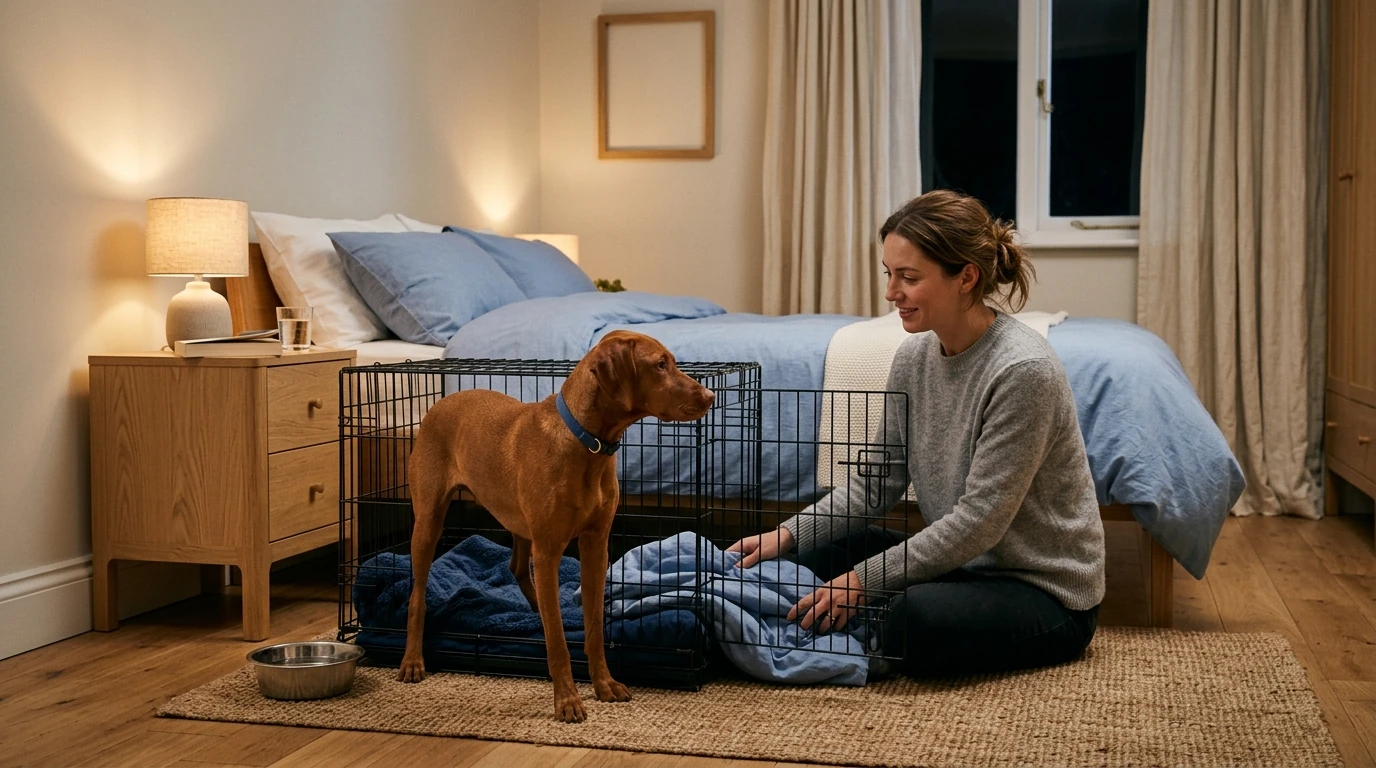
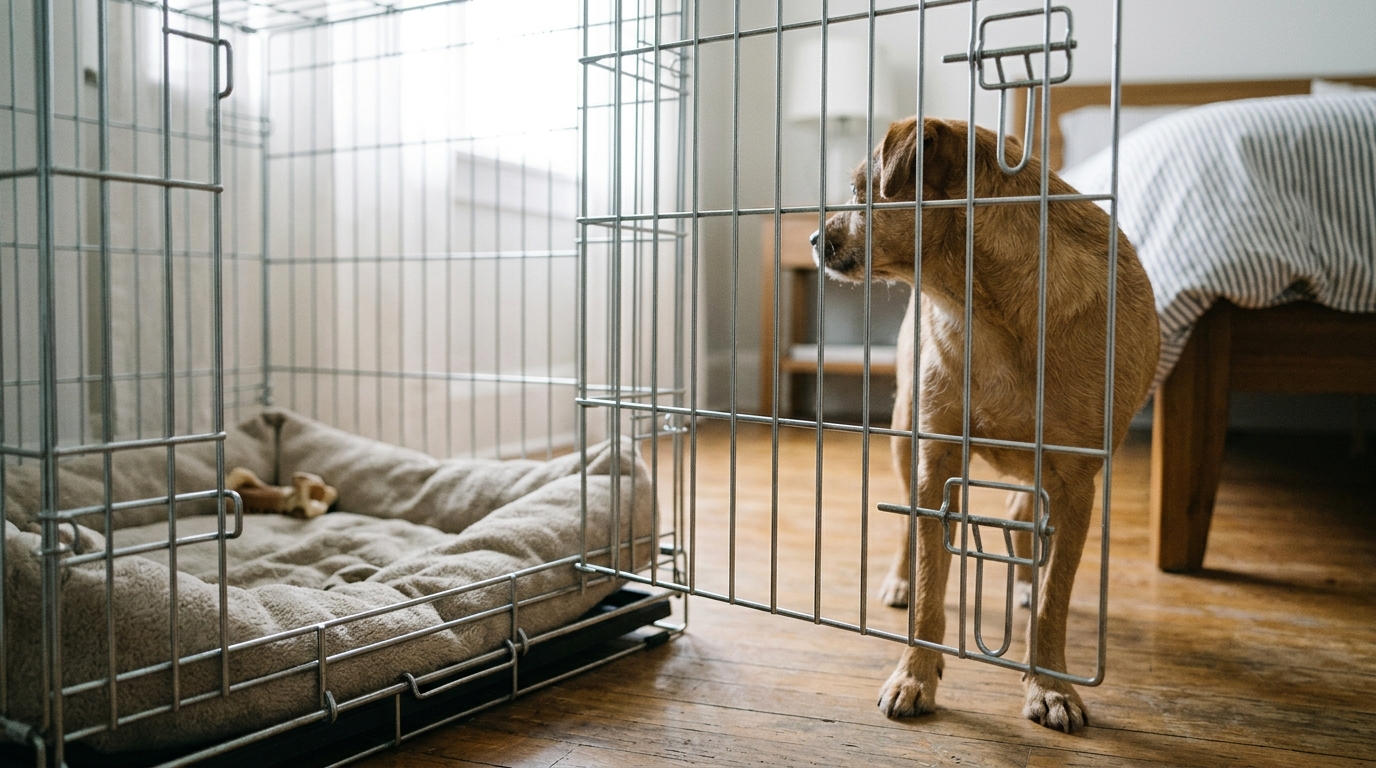
A new location, unfamiliar noise, warmer room, different bedding, or a recent frightening experience near the crate can make a once-familiar space feel different. Check that the crate is clean, ventilated, and large enough for your dog to stand, turn around, and lie down comfortably, then consider whether moving it closer to where you sleep would help your dog settle.
Featured in this guide
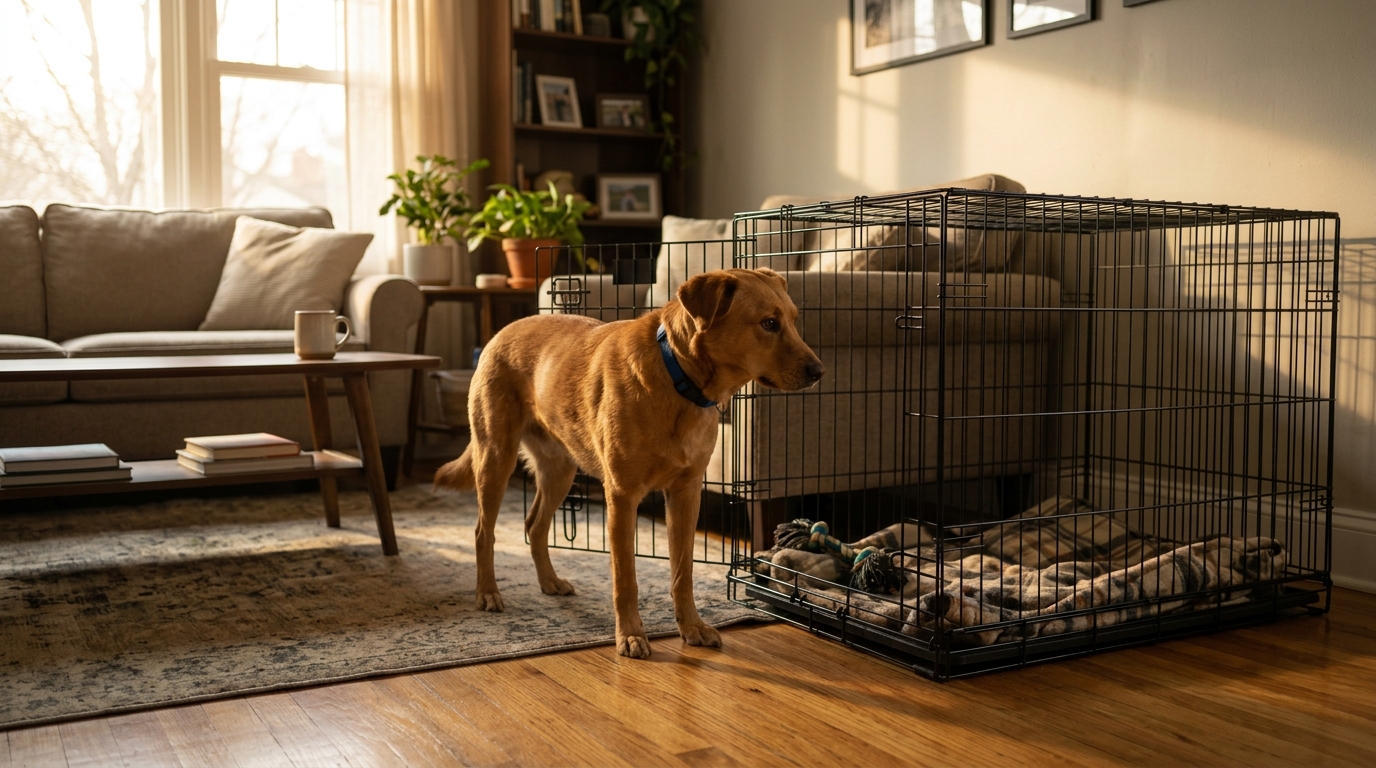
Crate Training Your Pup – A Practical Ebook Guide to Dog Crate Training Basics for Happy, Calm Dogs | Instant Digital Download
Respond to nighttime crying without guessing
If your dog enters the crate but begins crying, calmly consider a bathroom break or a physical need before assuming the crying is a training issue. Keep necessary nighttime outings quiet and brief, and watch for a pattern: crying right after being crated may point to anxiety or a changed routine, while waking later may signal a need to go outside.
Check the product’s listed specifications when evaluating respond to nighttime crying without guessing.
Rebuild a positive bedtime routine
During the day, let your dog approach the crate voluntarily and reward calm steps such as sniffing it, entering, and resting inside with the door open. At night, use a predictable wind-down routine and avoid forcing your dog in, because we want the crate to remain a place your dog can enter without fear.
Know when to slow down
If your dog panics, injures themselves trying to escape, or cannot settle even after you address basic needs, pause crate sessions and ask your veterinarian or a qualified dog behavior professional for individualized help. For a structured introduction to the basics, our Crate Training Your Pup – A Practical Ebook Guide to Dog Crate Training Basics for Happy, Calm Dogs can accompany the gradual, low-pressure practice you do with your dog.
How to use the crate
1
Choose the crate size for the dog and vehicle position
2
Attach the crate to the approved vehicle anchor point
3
Check the crate tension before the vehicle moves
4
Introduce the dog to the crate during the why suddenly check
FAQ
Why does my dog suddenly not want to go in her crate at night?
She may be uncomfortable, need a bathroom break, or have started associating the crate or bedtime with something unsettling. Check for changes in her health and surroundings, then make crate entry voluntary while you rebuild a calm routine.
See if Crate Training Your Pup – A Practical Ebook Guide to Dog Crate Training Basics for Happy, Calm Dogs | Instant Digital Download fits your setup
How New Affiliate Marketers Build Credibility
Oct 18, 2026
Adult Screen Time Limits That Work in Real Life
Oct 18, 2026












Leave a comment