-
Shop
- Advanced Technologies
- AI Career Advantage Collection
- AI Skills for Creators & Freelancers
- AI Client Management
- AI Ethics
- AI Mindset
- AI Tools & Prompts
- AI Writing & Content Creation
- Audio, Voice & Music
- Design & Visual Creation
- Email, Messaging & Communication
- Freelancing & Business
- Marketing, Ads & Conversion
- Productivity, Workflow & Automation
- SEO & Search Optimization
- Social Media Content & Growth
- Strategy, Planning & Analytics
- Video Creation & Editing
- AI Skills Mastery 2026 Collection
- Bathroom
- Best-Sellers
- Car Accessories
- Confidence
- Dating & Social Skills
- Digital Resources
- AI & Technology
- AI Skills
- Beauty
- Budgeting & Saving
- Car Buying & Ownership
- Cozy Feast Collection
- Electronics & Technology
- Emotional Intelligence
- Entrepreneurship & Business Growth
- Financial Education
- Financial Independence
- Financial Mindset & Psychology
- Goal Setting
- Hobbies
- Home Styling & Organization
- Kitchen & Recipes
- Leadership
- Mindfulness
- Mindset
- Motivation
- Online Business
- Parenting & Child Development
- Personal Style & Fashion
- Pet Lifestyle & Wellness
- Positive Thinking
- Productivity
- Self Confidence
- Sleep Improvement
- Smart Life with AI
- Stress Management & Relaxation
- Travel Planning
- Wellness
- Yoga & Fitness
- Yoga & Mind-Body Practices
- Education & Learning
- Family & Parenting
- Fashion Accessories
- Furniture
- Gadgets
- Health & Beauty
- Health & Wellness
- Home Decor
- Home Electronics
- Home Supplies
- Kids & Babies
- Kitchen
- Lighting
- Online Business for Beginners
- Patio, Lawn & Garden
- Personal Growth
- Pet Care
- Pet Supplies
- Pets
- Shoes
- Super Deals
- TikTok Growth & Monetization Mastery
- Travel
- Travel & Adventure
- Wealth
- Popular
- Best deals
Acne and Stress Timing: When Breakouts Appear
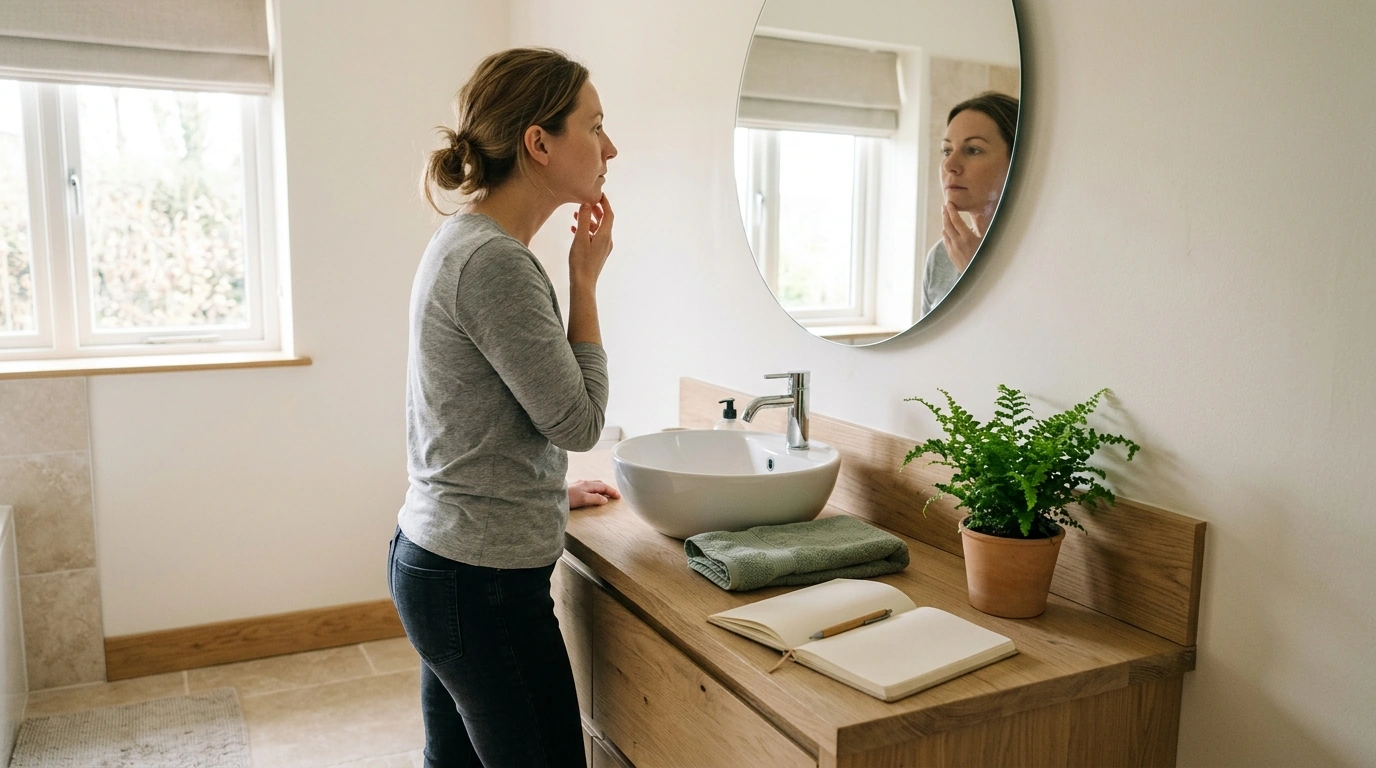
Understand the delay between stress and visible breakouts
Acne and Stress Timing: When Breakouts Appear
How Stress Can Contribute to Acne
Stress does not always cause acne by itself, but it can aggravate acne-prone skin. Cortisol and other stress-response signals may influence inflammation and sebaceous gland activity. This can make clogged pores, redness, and existing blemishes more noticeable.
Indirect effects matter too. During emotionally or physically demanding periods, you may sleep less, touch your face more often, skip skincare, sweat more, or change your eating habits. Picking at blemishes can further increase irritation and the risk of lingering marks.
Acne is multifactorial, so stress may be only one part of the picture. Genetics, menstrual or other hormonal fluctuations, medications, cosmetics, friction, and underlying health conditions can also affect breakouts. The National Institute of Arthritis and Musculoskeletal and Skin Diseases provides a helpful overview of how blocked follicles, oil, bacteria, and inflammation contribute to acne.
Check the listed dimensions for how stress can contribute to acne against the available vehicle space before use.
Featured in this guide
Acne and Stress Timing – A Practical Guide to Understanding acne and stress timing, Stress Triggers, and Breakout Patterns
A Practical Stress-to-Breakout Timeline
- Same day to 48 hours: Track stress intensity, sleep, exercise, skincare changes, sweating, and face touching.
- Several days: Note redness, tenderness, lesion type, dietary changes, and menstrual timing when relevant.
- One to several weeks: Review travel, products, medications, friction, stress, and breakout location.
- Persistent or worsening: Record pain, nodules, scarring, duration, and response to consistent care.
There is no universal delay. Look for associations repeated across several stressful periods rather than assigning one blemish to one event.
Do Not Overinterpret the Breakout Map
Stress acne has no medically definitive facial map. It can occur wherever you typically develop acne, including the forehead, cheeks, chin, jawline, chest, shoulders, or back. Location alone cannot identify the cause.
Jawline and chin blemishes may coincide with hormonal fluctuations, but stress also affects hormonal and inflammatory pathways. Consider what regularly touches the area and whether your products, clothing, shaving habits, or routine recently changed.
Check the listed dimensions for do not overinterpret the breakout map against the available vehicle space before use.
Use a Simple Tracker to Find Your Timing
A concise daily record is more useful than a perfect diary. Focus on variables that changed and the type, timing, and location of new lesions.
The Acne and Stress Timing practical guide offers a structured way to organize these observations.
Tracking can clarify a clinical conversation, but it cannot diagnose the cause of acne or replace individualized treatment.
When a Stress Breakout Starts
Keep your routine gentle and predictable. Cleanse without scrubbing, apply a non-comedogenic moisturizer, and use broad-spectrum sunscreen during the day.
Salicylic acid or benzoyl peroxide may help some forms of acne, but introduce one product gradually and follow its label. Avoid squeezing, harsh exfoliation, rapid product switching, and layering several strong active ingredients.
Set realistic expectations. Redness may calm before every lesion disappears, and acne treatments commonly require several weeks of consistent use.
When Professional Care Is Appropriate
Consult a dermatologist for deep or painful nodules, cysts, scarring, persistent dark marks, widespread acne, or breakouts that do not improve with appropriate over-the-counter care.
Seek prompt guidance if acne begins suddenly, follows a medication change, or occurs with irregular periods, excess facial hair, or other possible hormonal symptoms.
Acne can also affect confidence and emotional well-being. Consider mental health support if skin concerns lead to persistent anxiety, low mood, or social withdrawal.
Check the listed dimensions for when professional care is appropriate against the available vehicle space before use.
Compare related options such as Crate Training Your Pup – A Practical Ebook Guide to Dog Crate Training Basics for Happy, Calm Dogs | Instant Digital Download to match features, dimensions, and use case before choosing.
FAQ
How to get rid of stress acne quickly?
There is no guaranteed overnight solution. Use gentle skincare, sunscreen, and one suitable acne ingredient, avoid picking, and seek dermatologic care for painful, severe, or persistent acne.
How long does it take for stress to give you acne?
Oiliness or existing inflammation may worsen within days, while clogged pores can become visible over the following days or weeks. Tracking several stressful periods is more informative than judging one breakout.
Is stress acne hormonal?
Stress acne can involve hormonal signaling, but it is not necessarily the same as hormonally patterned acne. Genetics, menstrual fluctuations, products, friction, medication, sleep, and inflammation may also contribute.
Where do stress spots appear on the face?
They can appear anywhere you normally develop acne, including the forehead, cheeks, chin, and jawline. Their location alone cannot confirm that stress is the cause.
See if Acne and Stress Timing – A Practical Guide to Understanding acne and stress timing, Stress Triggers, and Breakout Patterns fits your setup
2:1 Crate Training Rule: What It Means for Puppies
Sep 14, 2026













Leave a comment