-
Shop
- Advanced Technologies
- AI Career Advantage Collection
- AI Skills for Creators & Freelancers
- AI Client Management
- AI Ethics
- AI Mindset
- AI Tools & Prompts
- AI Writing & Content Creation
- Audio, Voice & Music
- Design & Visual Creation
- Email, Messaging & Communication
- Freelancing & Business
- Marketing, Ads & Conversion
- Productivity, Workflow & Automation
- SEO & Search Optimization
- Social Media Content & Growth
- Strategy, Planning & Analytics
- Video Creation & Editing
- AI Skills Mastery 2026 Collection
- Bags & Wallets
- Bathroom
- Best-Sellers
- Car Accessories
- Confidence
- Dating & Social Skills
- Digital Resources
- AI & Technology
- AI Skills
- Beauty
- Budgeting & Saving
- Car Buying & Ownership
- Cozy Feast Collection
- Electronics & Technology
- Emotional Intelligence
- Entrepreneurship & Business Growth
- Financial Education
- Financial Independence
- Financial Mindset & Psychology
- Goal Setting
- Hobbies
- Home Styling & Organization
- Kitchen & Recipes
- Leadership
- Mindfulness
- Mindset
- Motivation
- Online Business
- Parenting & Child Development
- Personal Style & Fashion
- Pet Lifestyle & Wellness
- Positive Thinking
- Productivity
- Self Confidence
- Sleep Improvement
- Smart Life with AI
- Stress Management & Relaxation
- Travel Planning
- Wellness
- Yoga & Fitness
- Yoga & Mind-Body Practices
- Education & Learning
- Family & Parenting
- Fashion
- Fashion Accessories
- Furniture
- Gadgets
- Health & Beauty
- Health & Wellness
- Home & Garden
- Home Decor
- Home Electronics
- Home Supplies
- Kids & Babies
- Kitchen
- Kitchen Best-Sellers
- Lighting
- Luxury Brands Collection
- Online Business for Beginners
- Patio, Lawn & Garden
- Personal Growth
- Pet Care
- Pet Supplies
- Pets
- Shoes
- Sport & Outdoors
- Super Deals
- TikTok Growth & Monetization Mastery
- Travel
- Travel & Adventure
- Wealth
- Wealth Building
- Popular
- Best deals
Dealing With School Bullying: A Guide for Parents
35% off on product page · save $6.99
Dealing With School Bullying: A Guide for Parents

Recognize the Signs and Start a Conversation
A child who is being bullied may avoid school, have trouble sleeping, lose belongings, or seem unusually distressed. You might also notice a change in friendships or reluctance to talk about the school day. These signs can have other causes, so try not to jump to conclusions.
Choose a private, unhurried moment and ask open questions such as, “How have things been going with other kids?” or “Is there anywhere at school you don’t feel comfortable?” Let your child speak at their own pace. If they are not ready to talk, let them know you are available and try again later.
Listen without blame, even if you are upset by what you hear. You might say, “I’m glad you told me. You deserve to feel safe, and we can work on this together.” Reassure your child that reporting bullying is not about getting someone in trouble; it is a way to get help.
Check the product’s listed specifications when evaluating recognize the signs and start a conversation.
Make a Safety Plan Together
Ask your child when and where they feel most vulnerable. It might be on the bus, between classes, at lunch, or online. Identify trusted adults they can approach and safer places they can go. Agree on a way to ask for help, including what to do if the first adult is unavailable.
Keep a factual record of incidents, including dates, locations, people involved, and what happened. Save relevant messages or screenshots. Your child can help decide how to report new incidents safely without being expected to investigate or confront anyone.
Be honest about the limits of privacy. Explain who you need to contact if safety requires involving another adult and, when possible, make that decision with your child. If a child is in immediate danger, contact emergency services or the appropriate local authority.
Check the product’s listed specifications when evaluating make a safety plan together.
Featured in this guide
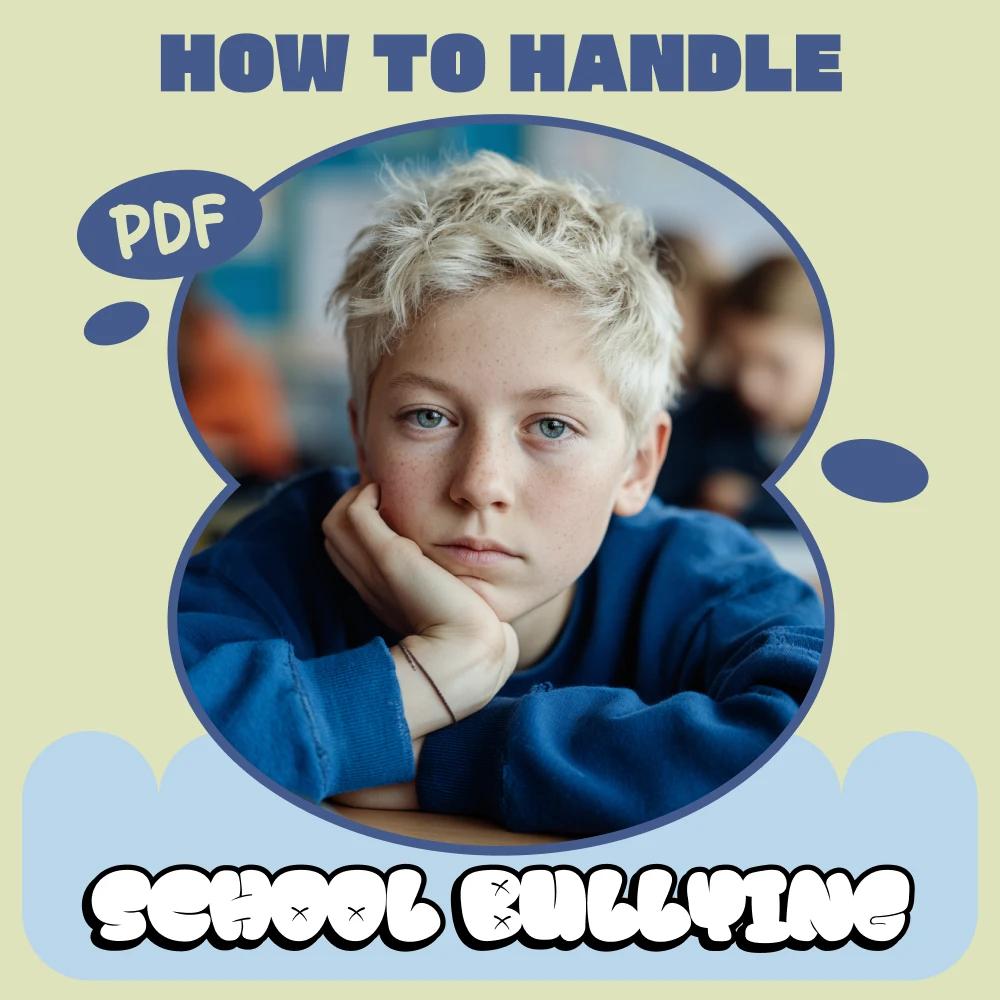
Dealing With School Bullying – A Practical Parent & Caregiver Guide | How to Deal With School Bullying With Confidence
Work With the School and Follow Up
Contact a teacher, counselor, or administrator with a concise account of your concerns. Share the facts you have recorded and explain where your child needs support. Ask how the school handles reports, what supervision can be provided, and when you can review the response together.
Keep notes of conversations, dates, and agreed actions. Ask your child whether the plan is helping and whether anything has changed. If the problem continues, use the school’s escalation process and seek additional local support where appropriate.
For more practical guidance, see StopBullying.gov’s resources on what you can do and its advice on responding to bullying.
Help Your Child Cope Without Retaliation
When it feels safe, practice a brief, calm response and leaving for a safer place. Your child can also practice telling a trusted adult what happened. These are options, not tests your child must pass: no response causes or excuses bullying.
Discourage retaliation, public humiliation, and directly confronting another child, which can make the situation less safe. Help your child stay connected to supportive friends, familiar routines, and activities they enjoy.
If distress persists or interferes with daily life, consider speaking with a qualified mental health professional.
Choosing a Resource for the Next Step
Our Dealing With School Bullying: A Practical Parent & Caregiver Guide is a resource for approaching this difficult issue with confidence. Consider it if you want guidance to use alongside conversations with your child and the school, rather than waiting until you have every answer.
Compare related options such as Strategic Planning Powered by AI – Ultimate eBook Guide to Strategic Planning with AI for Smarter Business Decisions to match features, dimensions, and use case before choosing.
Before choosing, compare the product details with your daily routine, available space, care needs, and preferred setup. The strongest option is usually the one that fits the intended use clearly and remains simple to clean, store, and check before repeat use.
FAQ
What are some effective coping strategies for dealing with bullying at school?
Stay connected with supportive friends and adults, practice asking for help, and continue activities that bring a sense of connection. A qualified mental health professional can help if distress persists.
How to actually deal with school bullies?
Tell a trusted adult, keep a factual record, and work with the school on a safety plan. Follow up to make sure the agreed steps are helping.
See if Dealing With School Bullying – A Practical Parent & Caregiver Guide | How to Deal With School Bullying With Confidence fits your setup
What Calms a Dog Down During Fireworks? Safety Tips
Nov 16, 2026













Leave a comment