-
Shop
- Advanced Technologies
- AI Career Advantage Collection
- AI Skills for Creators & Freelancers
- AI Client Management
- AI Ethics
- AI Mindset
- AI Tools & Prompts
- AI Writing & Content Creation
- Audio, Voice & Music
- Design & Visual Creation
- Email, Messaging & Communication
- Freelancing & Business
- Marketing, Ads & Conversion
- Productivity, Workflow & Automation
- SEO & Search Optimization
- Social Media Content & Growth
- Strategy, Planning & Analytics
- Video Creation & Editing
- AI Skills Mastery 2026 Collection
- Bags & Wallets
- Bathroom
- Best-Sellers
- Car Accessories
- Confidence
- Dating & Social Skills
- Digital Resources
- AI & Technology
- AI Skills
- Beauty
- Budgeting & Saving
- Car Buying & Ownership
- Cozy Feast Collection
- Electronics & Technology
- Emotional Intelligence
- Entrepreneurship & Business Growth
- Financial Education
- Financial Independence
- Financial Mindset & Psychology
- Goal Setting
- Hobbies
- Home Styling & Organization
- Kitchen & Recipes
- Leadership
- Mindfulness
- Mindset
- Motivation
- Online Business
- Parenting & Child Development
- Personal Style & Fashion
- Pet Lifestyle & Wellness
- Positive Thinking
- Productivity
- Self Confidence
- Sleep Improvement
- Smart Life with AI
- Stress Management & Relaxation
- Travel Planning
- Wellness
- Yoga & Fitness
- Yoga & Mind-Body Practices
- Education & Learning
- Family & Parenting
- Fashion Accessories
- Furniture
- Gadgets
- Health & Beauty
- Health & Wellness
- Home Decor
- Home Electronics
- Home Supplies
- Kids & Babies
- Kitchen
- Lighting
- Luxury Brands Collection
- Online Business for Beginners
- Patio, Lawn & Garden
- Personal Growth
- Pet Care
- Pet Supplies
- Pets
- Shoes
- Super Deals
- TikTok Growth & Monetization Mastery
- Travel
- Travel & Adventure
- Wealth
- Wealth Building
- Popular
- Best deals
Relaxing Massage Techniques for Calm and Self-Care
35% off on product page · save $6.46
Relaxing Massage Techniques for Calm and Self-Care
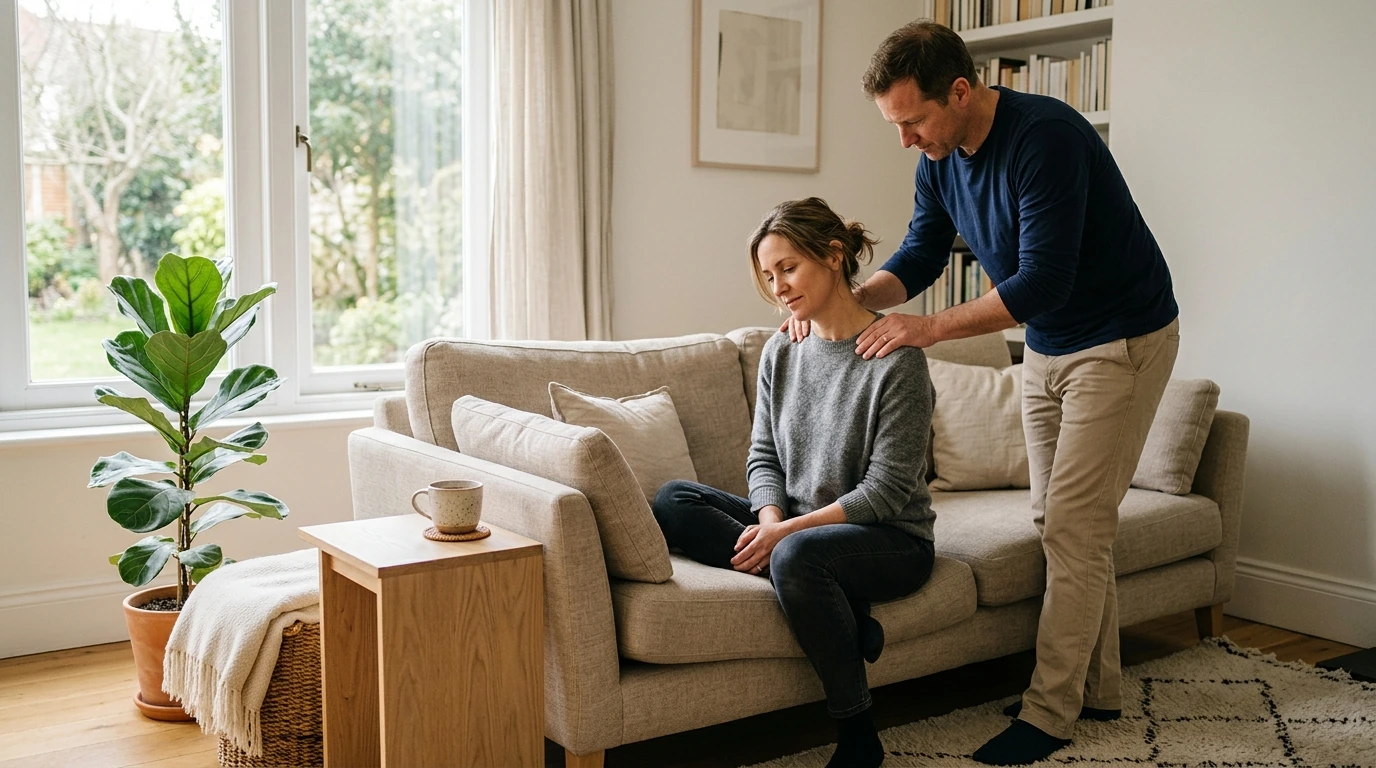
Start with comfort, consent, and a calm setting
Choose a quiet spot where the person receiving the massage can sit or lie comfortably. Pillows can support the head, knees, or arms, while a comfortable room temperature helps prevent the session from feeling chilly. Dim lighting and soft music are optional; use them only if they make the space more inviting.
Before touching another person, ask which areas they would like massaged, which areas are off-limits, and whether they prefer very light or slightly firmer pressure. Check in again as you go. Consent is ongoing, and someone can change their mind or end the massage at any point.
Clean, dry hands may be all you need. If you use lotion or oil to help your hands glide, start with a small amount and ask about fragrance or skin sensitivities first. Keep a towel nearby so the recipient can remove excess product afterward.
Make comfort the first technique
Choose a quiet place to sit or lie comfortably. Pillows can support the head, knees, or arms; keep the room warm enough that the recipient does not feel chilly. Dim lighting and music are optional, not requirements.
If you use lotion or oil, begin with a small amount, ask about fragrance or skin sensitivities, and keep a towel nearby for cleanup.
Featured in this guide
The Art of Relaxing Massage: Unlocking Calm — Ultimate Guide to Relaxing Massage Techniques & Self-Care
Three movements, no rush
Begin broadly. Move relaxed hands slowly across a comfortable muscle area, such as the shoulders or upper back. Give the recipient time to say whether the pressure feels right.
Try light circles. Use fingertips or the soft part of the palm to move gently over muscle without digging in. Avoid pressing directly on bones or the spine. Ease up, move elsewhere, or stop if an area is tender.
Finish softly. Return to broad strokes, gradually making them lighter and slower. Pause before lifting your hands away. For self-massage, try gentle circles on the palms or forearms, and stop if your hands begin to ache.
A simple sequence to remember
| Moment | Movement | Check-in |
|---|---|---|
| Settle | Rest the hands lightly and take a few slow breaths. | Does the position feel supported? |
| Warm up | Use broad, unhurried strokes. | Is the pressure comfortable? |
| Focus | Make gentle circles on a chosen muscle area. | Is there any sharp or increasing pain? |
| Wind down | Return to light strokes, then lift the hands away. | Is the recipient ready to finish? |
Choose the version that fits the day
Swedish-style massage commonly uses flowing strokes and adjustable pressure, but a full-body appointment is not the only way to unwind. A short hand or shoulder massage may fit into a busy afternoon. Some days, the right choice is no massage at all.
There is no universally most relaxing technique. Preferred pressure, body position, mood, and clear communication matter more than a treatment label. Before a professional session, explain what you want and ask how the therapist can adapt the treatment.
Know when to stop
Stop if massage causes sharp pain, dizziness, numbness, or worsening discomfort. Do not massage broken skin, an active infection, or an area with unexplained swelling. If you have a medical condition, are recovering from an injury or procedure, or are unsure whether massage is appropriate, ask a healthcare professional first.
A professional should explain the treatment, respect agreed boundaries, and welcome feedback. Dismissing pain, pressuring you to tolerate it, or touching areas outside those boundaries are reasons to end a session. You do not need to justify asking to stop.
Check the listed dimensions for know when to stop against the available vehicle space before use.
Keep the ritual small
Set aside five to ten minutes rather than waiting for a free hour. Gently massage your palms after closing your laptop, or ease your shoulders before an evening read. Notice how you feel afterward without expecting every session to feel the same.
Check the listed dimensions for keep the ritual small against the available vehicle space before use.
Compare related options such as Co-Parenting Holiday Survival Checklist | Stress-Free Co-Parenting Holiday Planning | Digital Download Checklist to match features, dimensions, and use case before choosing.
FAQ
What is a normal tip for a $100 massage?
Where tipping is customary, 15% to 20% would be $15 to $20 on a $100 massage. Check first whether a gratuity or service charge is already included.
What is an art massage?
“Art massage” is not a standard name for one specific technique. It may describe a practitioner’s personalized approach, so ask what methods and pressure a service includes before booking.
What is a red flag in massage?
Ignoring consent, dismissing pain, or touching areas outside agreed boundaries are red flags. You can ask for a change or stop the session at any time.
What type of massage is most relaxing?
Many people enjoy the flowing strokes of a gentle Swedish-style massage. The most relaxing choice is the one that matches your comfort, preferred pressure, and boundaries.
What is art massage therapy?
“Art massage therapy” is not a widely defined treatment category. If a provider uses that term, ask them to explain their training, techniques, and what the session involves.
See if The Art of Relaxing Massage: Unlocking Calm — Ultimate Guide to Relaxing Massage Techniques & Self-Care fits your setup
Playing Music for Mental Wellness: A Gentle Guide
Sep 26, 2026









Leave a comment