-
Shop
- Advanced Technologies
- AI Career Advantage Collection
- AI Skills for Creators & Freelancers
- AI Client Management
- AI Ethics
- AI Mindset
- AI Tools & Prompts
- AI Writing & Content Creation
- Audio, Voice & Music
- Design & Visual Creation
- Email, Messaging & Communication
- Freelancing & Business
- Marketing, Ads & Conversion
- Productivity, Workflow & Automation
- SEO & Search Optimization
- Social Media Content & Growth
- Strategy, Planning & Analytics
- Video Creation & Editing
- AI Skills Mastery 2026 Collection
- Bags & Wallets
- Bathroom
- Best-Sellers
- Car Accessories
- Confidence
- Dating & Social Skills
- Digital Resources
- AI & Technology
- AI Skills
- Beauty
- Budgeting & Saving
- Car Buying & Ownership
- Cozy Feast Collection
- Electronics & Technology
- Emotional Intelligence
- Entrepreneurship & Business Growth
- Financial Education
- Financial Independence
- Financial Mindset & Psychology
- Goal Setting
- Hobbies
- Home Styling & Organization
- Kitchen & Recipes
- Leadership
- Mindfulness
- Mindset
- Motivation
- Online Business
- Parenting & Child Development
- Personal Style & Fashion
- Pet Lifestyle & Wellness
- Positive Thinking
- Productivity
- Self Confidence
- Sleep Improvement
- Smart Life with AI
- Stress Management & Relaxation
- Travel Planning
- Wellness
- Yoga & Fitness
- Yoga & Mind-Body Practices
- Education & Learning
- Family & Parenting
- Fashion
- Fashion Accessories
- Furniture
- Gadgets
- Health & Beauty
- Health & Wellness
- Home & Garden
- Home Decor
- Home Electronics
- Home Supplies
- Kids & Babies
- Kitchen
- Kitchen Best-Sellers
- Lighting
- Luxury Brands Collection
- Online Business for Beginners
- Patio, Lawn & Garden
- Personal Growth
- Pet Care
- Pet Supplies
- Pets
- Shoes
- Sport & Outdoors
- Super Deals
- TikTok Growth & Monetization Mastery
- Travel
- Travel & Adventure
- Wealth
- Wealth Building
- Popular
- Best deals
Crate Syndrome in Dogs: Signs and What to Do

25% off on product page · save $6.66
Crate Syndrome in Dogs: Signs and What to Do

What Does “Crate Syndrome” Mean?
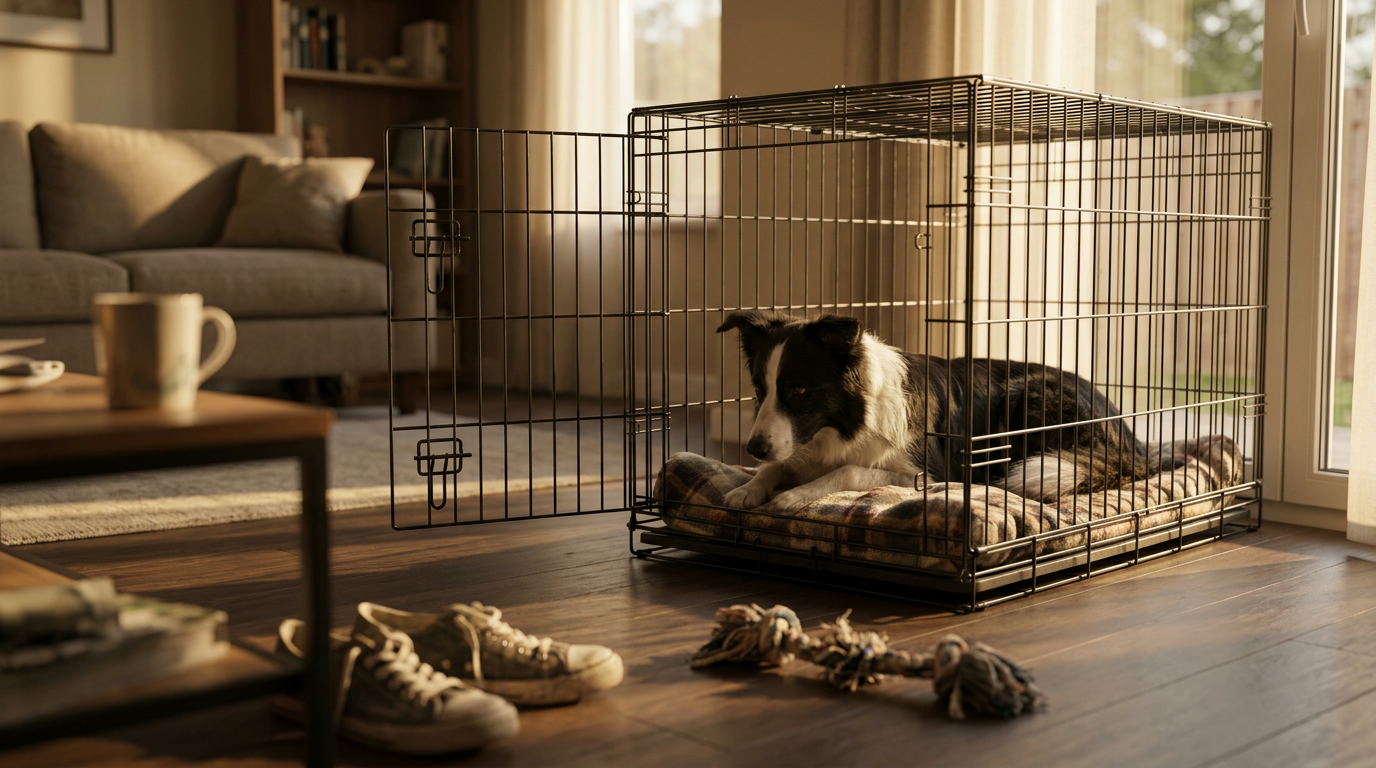
“Crate syndrome” is an informal term for the stress or behavior problems a dog may develop when crated too long, too often, or in a way that feels frightening. A crate itself is not the problem: when introduced gradually and used for appropriate periods, it can give your dog a comfortable place to rest, but it cannot replace exercise, social time, bathroom breaks, or freedom to move around.
What Might You Notice?
A dog who struggles with crating may bark or whine persistently, pace, drool, scratch at the door, or try to escape; some dogs become withdrawn instead. Accidents in the crate can also signal that your dog needs more frequent bathroom breaks, is distressed, or has a health issue, so avoid assuming the behavior is disobedience.
Check the product’s listed specifications when evaluating what might you notice.

Featured in this guide
Crate Training Your Pup – A Practical Ebook Guide to Dog Crate Training Basics for Happy, Calm Dogs | Instant Digital Download
How Can You Make Crate Time Healthier?
Start with short, calm sessions, let your dog enter voluntarily, and pair the crate with pleasant experiences such as a suitable chew or a meal, while keeping departures and returns low-key. Make sure the crate lets your dog stand, turn around, and lie down comfortably, and plan regular breaks that account for your dog’s age, health, and individual needs rather than relying on a single time limit.
Check the product’s listed specifications when evaluating how can you make crate time healthier.
When Should You Change the Plan?
If your dog panics, injures themselves trying to get out, or shows persistent distress, stop treating longer crate sessions as the solution and speak with your veterinarian or a qualified, reward-based behavior professional. Our Crate Training Your Pup – A Practical Ebook Guide to Dog Crate Training Basics for Happy, Calm Dogs is a starting point for learning crate-training basics, while our team encourages you to adjust any routine to the dog in front of you.
Check the product’s listed specifications when evaluating when should you change the plan.
How to use the crate
1
Choose the crate size for the dog and vehicle position
2
Attach the crate to the approved vehicle anchor point
3
Check the crate tension before the vehicle moves
4
Introduce the dog to the crate during the syndrome signs check
FAQ
What are the signs and symptoms of caged dog syndrome?
Watch for persistent vocalizing, frantic escape attempts, pacing, drooling, crate accidents, or unusual withdrawal around confinement. These signs can have other causes, including illness, so contact your veterinarian if they are new, severe, or ongoing.
See if Crate Training Your Pup – A Practical Ebook Guide to Dog Crate Training Basics for Happy, Calm Dogs | Instant Digital Download fits your setup
How Often Should You Feed Fish Each Day?
Oct 22, 2026
Crate Training a 7-Year-Old Dog: Where to Start
Oct 23, 2026













Leave a comment